Reveal, don't conceal
Somewhere in your camera roll, there's a photo of a slide you are never going to look at again.
You took it in a conference hall, half-following a talk by someone who clearly knew everything about their subject. The slide went up. Your brain buffered. So you did what we all do.
You took the photo. You told yourself "Later". You moved on.
Later never comes.
💡 ONE IDEA WELL
The speaker knows more about their subject than anyone in the room.
Probably more than everyone in the room combined.
They've spent years with this subject - reading about it over breakfast, losing sleep to it, building a career around it. They find it genuinely fascinating, and somewhere underneath the nervousness of presenting, they want you to find it fascinating too. They want to give you everything they have.
So they do.
Every data point.
Every nuance.
Every caveat.
Every sub-bullet.
The screenshot of the graph from the paper, because the raw data feels more honest than a summary. The full picture, because anything less would feel like a betrayal of something they've given years of their life to.
But by trying to reveal everything, they concealed the thing that mattered most.
The slide goes up.
And the audience, who came ready to learn, stares at it - and understands almost nothing.
Not because the presenter failed them.
Because the presenter forgot they were there.
🧰 LESS MESS, MORE MESSAGE
You've been that audience. And if you've ever stood at the front of a room — you've been that presenter too.
I want to try something.
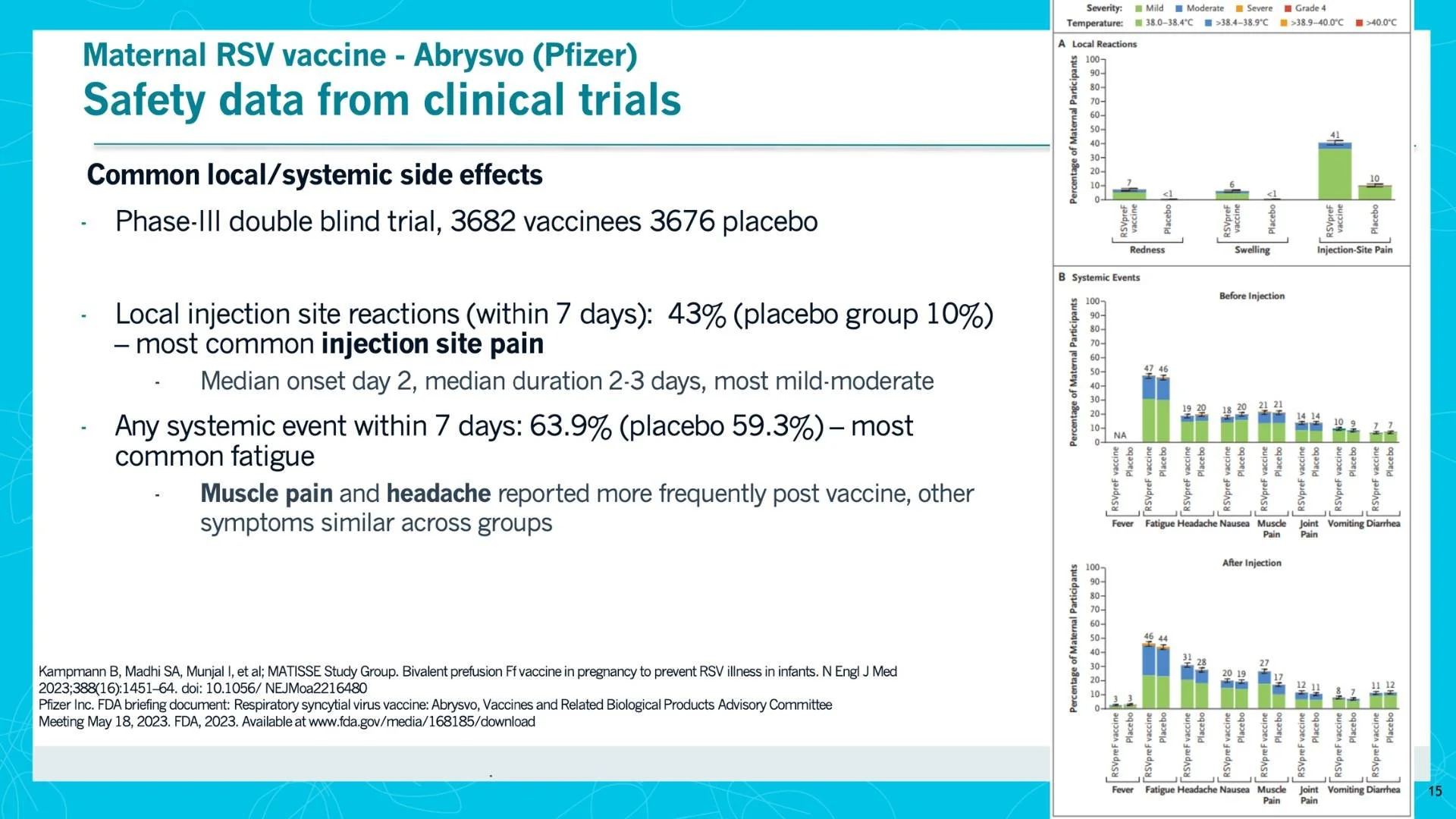
Below is a real slide. It was made by someone who knows their subject deeply - a genuine expert presenting to colleagues who came ready to learn.
Look at it for 30 seconds. Then ask yourself: what is this slide telling me?
Take your time.
If you're anything like most people, the comprehension slid off it like water off glass. You got some of it. You caught a few numbers, a heading, maybe a conclusion. But the full picture? Gone before it had a chance to arrive.
And if you've ever sat in a conference hall watching everyone around you reach for their phones - so you reach for yours too, because clearly this must be important, because why else would everyone be taking a photo - you already know this feeling.
That slide still sits in your camera roll.
You haven't looked at it.
You won't.
Now look at this.
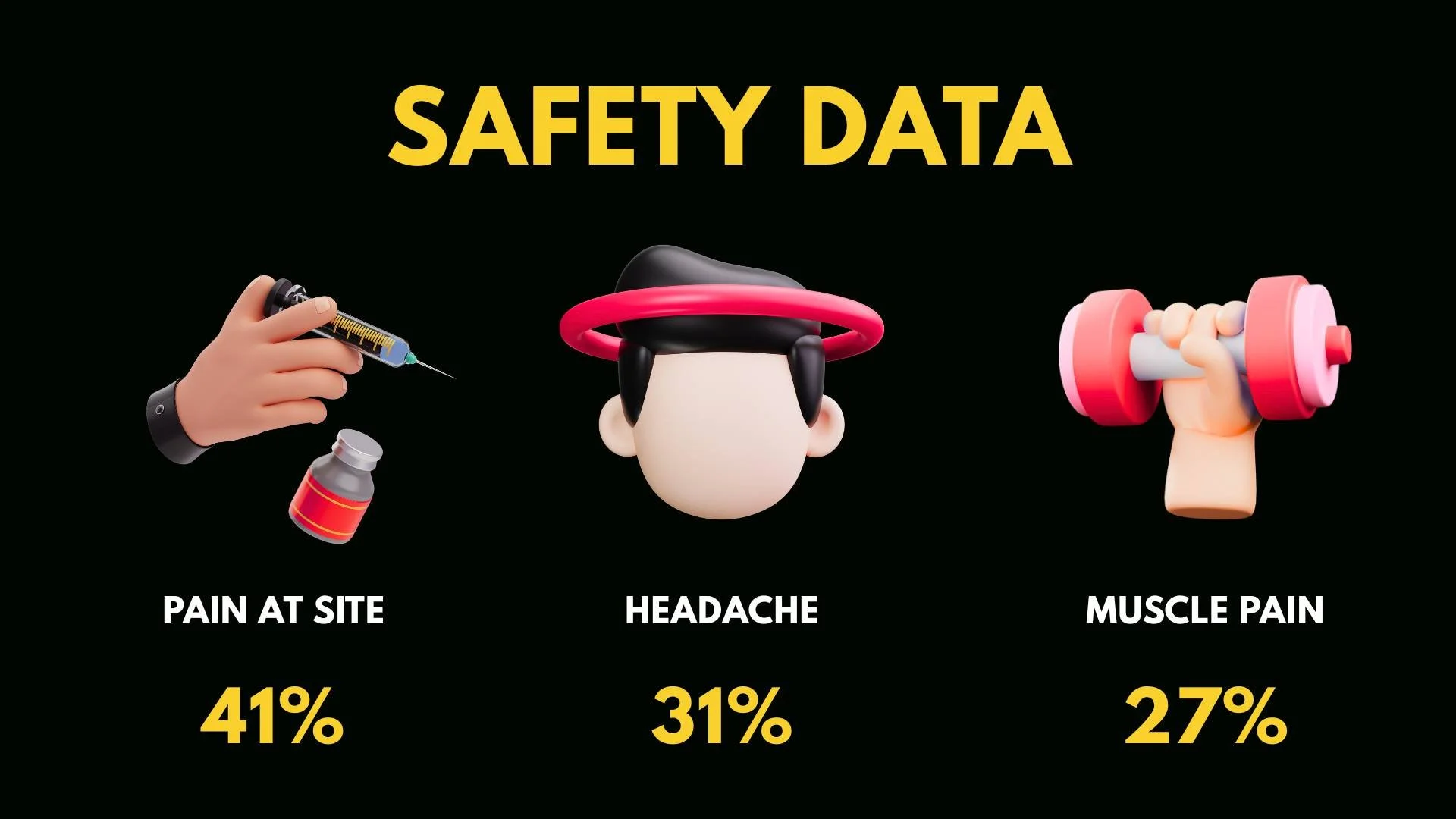
Same data.
Same subject.
Different question asked at the start: what does my audience actually need to understand?
The aha moment isn't that the second slide looks better.
It's that you didn't have to work at all.
And that's the point.
The presenter's job isn't to share everything they know.
It's to do the hard work in advance so the audience doesn't have to do it in the room.
Ask too much of them, and they won't rise to it.
They'll take a photo and go home.
🎨 TRY THIS
Before your next presentation, find someone who doesn't work in your field. Show them one of your slides. Give them 30 seconds and ask them to explain it back to you.
Don't help them.
Don't explain.
Just watch.
Most presenters never stop to ask who is actually in the room.
What a medical student needs to understand is different from what a paramedic needs, or a physiotherapist, or a consultant colleague.
The slide that works for one audience is a wall to another.
What you see on their face is what your audience experiences every time that slide goes up.
🧭 ASK YOURSELF THIS
If I were sitting in the audience, seeing this slide for the first time, what would I actually understand?
And if you want to go one step further - scroll back through your camera roll. Find the slide you photographed and never looked at again. You know the one.
Send it to me. No judgement. Just curiosity.
I want to know what we've all been carrying around.
Speak soon,
Andy
Know a colleague giving a talk soon? Share this with them
Speak Human is a weekly newsletter — one practical idea on speaking, teaching, and presenting, in five minutes. Join free and get the guide.